Malawi Case Study
Discrimination of ex-prisoners remains a concern
In Malawi, there were many cases of prison status-related stigma and discrimination targeted at ex-prisoners being reported. Ex-prisoners would, upon release, be denied space in their communities because of the fear that their presence would endanger community peace and disturb the order. This led to increased cases of recidivism, the very acts that the community-led non-stigma and non-discrimination interventions were meant to address. Stigma and discrimination impacted ex-inmates associations and this trickled down to the communities .
For SANOP, the desired change was to see a more tolerant environment at community level, conducive for ex-inmates to freely participate in public life.
To achieve this, ex-inmates needed to be empowered with skills and attributes that enabled them to fully earn a decent living of the law.
“This was important as it would significantly reduce incidences of recidivism at community level. This would also encourage community cohesion and fostering a more secure community,” explained Wisdom Kanyamula, SANOP Malawi National Coordinator.

The Solution
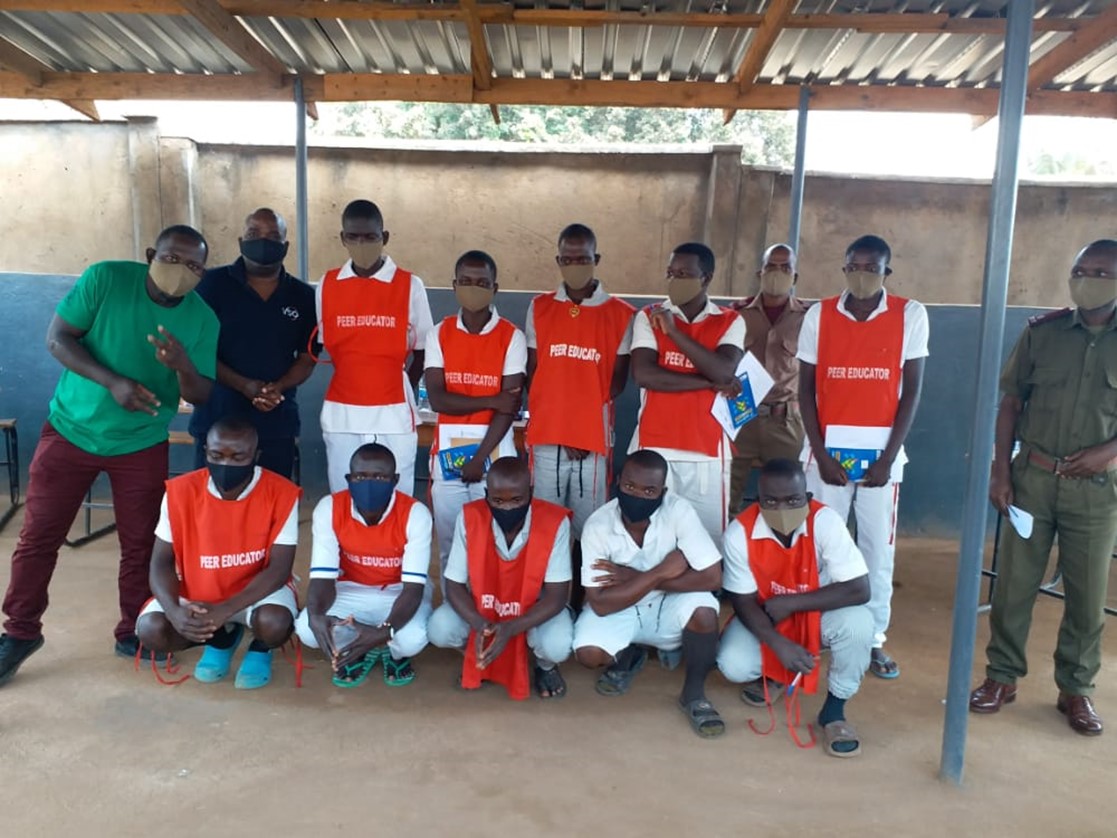
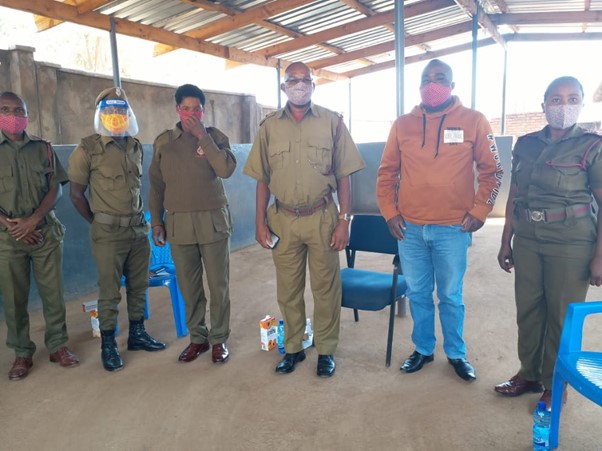
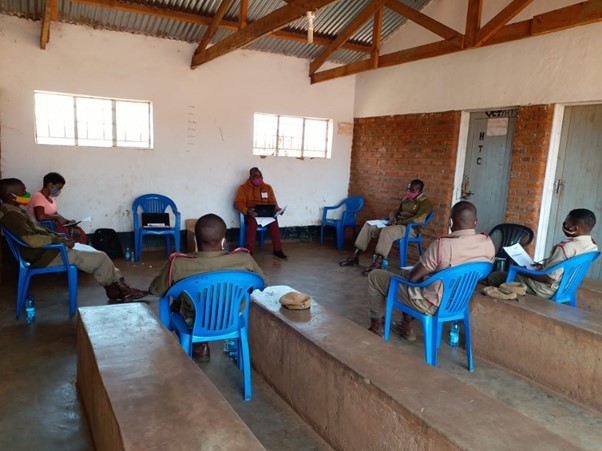
To address this, SANOP, through its membership structures, the Malawi SANOP Committee, Malawi Prison Service, Chance for Change, Ex-inmates associations and targeted communities were very instrumental in facilitating successful implementation of the intervention.
Malawi national committee of the SANOP
They identified the need to implement an intervention that would reform young in-inmates to prepare them for successful reintegration.
Malawi Prison Service
The MPS collaborated with the SANOP Malawi committee to participate in the intervention by accepting to release young inmates who had two years or less of their prison sentence to the Chance for Change.
Chance for Change
A member of the SANOP Malawi Chapter, Chance for Change was the implementing partner of the intervention. They recruited forty (40) young inmates serving their sentence within their premises and received training in brick laying, carpentry and joinery, motor vehicle mechanics and tailoring. After the ‘placement’, the recruits would receive start-up capital to kickstart their lives. At the same time, through advocacy and community engagement, Chance for Change prepared communities to better understand ex-inmates in preparation for their re-integration.
SANOP National Coordinator
The Coordinator was the principal coordinator of all communications; facilitating interface between the Department of Prisons and Chance for Change and monitoring implementation of the strategic activity.
Ex-inmates associations
were a vehicle through which most of the efforts to reintegrate the young ex-prisoners were implemented. They regularly interfaced with community leaders to prepare for the return of “their people”.
Results
Today, the youthful ex-inmates are a shining example of life after prison. They have been successfully integrated and are plying their trade in the communities. They are even employing community members and therefore contributing to the micro-economic indicators of the communities. Their despicable conduct in their community is making people rethink the attitude towards prisoners; often leading to reduced stigma and discrimination and greater community cohesion and security; which has led to greater unity of purpose. Community members of all ages live in a safe environment, enabling them to pursue economic activities and, ultimately, contributing to greater community development.
Plans going forward include supporting ex-inmates associations strengthen their governance structures, enhance Resource Mobilization capability, and Monitoring, Evaluation, Accountability and Learning. It is envisaged that empowered ex-inmates associations will be able to effectively implement projects that benefit them and their communities.
