ZAMBIA Case Study
Assessing state of preparedness and response to COVID-19 at Kachere and Mbabzyi prisons
At the the onset of COVID-19, SANOP received additional grant support from its donor partner, Robert Carr Fund, to implement a COVID-19 response intervention in Bzyanzi and Kachere Juvenile Prisons in Dowa and Lilongwe districts, respectively.
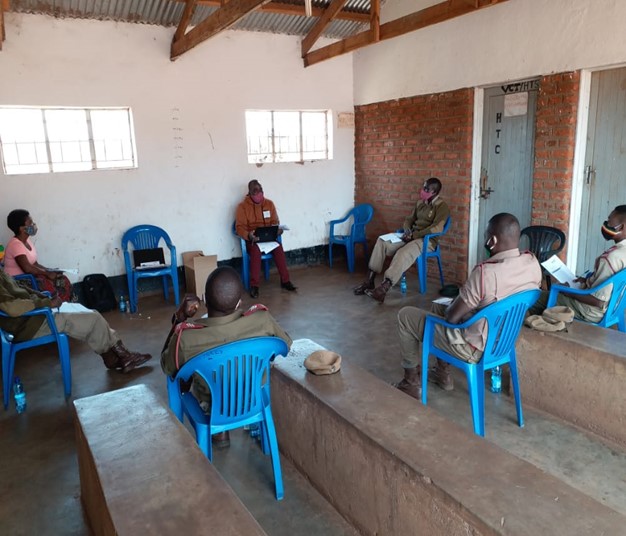
The project aimed at capacitating the prisons to effectively prevent infections in prisons and take necessary measures to manage COVID-19 in the case of an infection occurring. To inform the nature and scope of support to be provided, SANOP undertook an assessment of the two institutions based on a WHO Checklist to evaluate preparedness, prevention, and control of COVID-19 in prisons and other places of detention. The initial assessment was conducted at Bzyanzi and Kachere Prisons on 7th August 2020 and 10th August 2020, respectively.
The COVID-19 assessment on the state of preparedness and response conducted at Bzyanzi and Kachere Prisons in August was meant to inform the nature and scope of support SANOP would provide to the two prisons during COVID-19.
findings
Human Rights
It was established that standards of health care available for the prison population in the two prisons were like those in the outside community. Bzyanzi Prison has a trained medical practitioner, while Kachere prison referred all clinical conditions to Bwaila hospital which was less than 500 metres away. Basic living standards were being observed (enough space, fresh air, light and sanitation); and prisoners were allowed at least one hour of outdoor activities per day.
“We did not see any evidence of any non-custodial measures for the administration of criminal justice being used (e.g. electronic tagging).”
Risk Assessment and Management
It was established that both prisons had COVID-19 task committees in place and SANOP was content observing evidence of efforts aimed at preventing COVID-19 in the prisons and the efforts being in the facilities to manage any risks.
Referral System and Clinical Management
Bzyanzi prisons did not have an isolation centre and relied on Maula prison, more than 40 kilometres away. It did not have COVID-19 testing capacity and only had one thermo.
“As an open prison, inmates interact with the community, and all staff housed outside the prison environment freely mingle with community members. It is safe to argue that the threat of outside infection is real. There is a standing order that even if a prisoner is diagnosed with COVID-19, they must remain in prison, predisposing prisoner staff and inmates to COVID-19 infection. A peer educators’ committee of inmates needs to be set up and trained on COVID-19.”
Kachere prison recorded temperature for all people entering the premises, and of masks were a condition for all prison staff to enter the premises. There were sanitation facilities on all entry points, and all prisoners were supplied with bathing abilities.
“What was more inspiring is that the prison has a standing COVID-19 Task force. However, they are challenged by inadequate face masks for both prison staff and inmates; lack for PPEs for use at the isolation centre; inadequate thermos; inadequate washing basins and soap. Although they have a committee of inmates’ peer educators, they require COVID-19 training.”
Contingency Planning
Contingency planning was evident at Kachere prison, but not at Bzyanzi where there was notable evidence of some contingency plans being communicated with staff and prisoners, though this was inadequate and ineffective. There was no evidence of a national comprehensive risk assessment of the prison system being conducted, neither was there an assessment of the need for PPEs and other essential supplies carried out. Finally, there was no evidence of the availability of any PPE for use by prisons during the pandemic.
Risk Communication
t was established that there was some measure of coordination between teams involved in risk communication, with key messages clearly communicated in the prison setting, however better communication of COVID-19 messages to inmates was lacking.
“We found no evidence of a communication strategy to deal with public and risk communication about disease outbreaks in prison; and no mechanism to gather and integrate the risk perception of people in prison, staff, and visitors in strategy/message development. There are some efforts to communicate messages in a clear, accurate and relevant manner to people in prison, staff, and visitors about preventive measures, especially hand hygiene practices and respiratory etiquette, but there is need for formal training of prison staff in this regard.”
Both prisons did not have a checklist to evaluate preparedness, prevention and control of COVID-19 and would need support to develop one.
Training
It was established that prison staff, both at Bzyanzi and Kachere prisons had not received any training on basic COVID-19 disease, knowledge, including pathogen, transmission route, signs, and clinical disease progression. Prison staff had not received any training on hand hygiene practice and respiratory etiquette, appropriate use of PPE, environmental prevention measures, including cleaning and disinfection. On a positive note, action been taken to disseminate information broadly among people in prison, visitors, and staff family members.
Prevention Measures
Even though there were protocols in place to manage staff who met the definition of a suspected or confirmed case, staff lacked the necessary competencies to execute them. Routines and facilities that allow hands to be washed with soap and water and dried using single-use towels (or cleaned with alcohol sanitizer, with at least 60% alcohol) existed, but there were persistent stock-outs of supplies.
While it was clear that physical distancing routines were strictly enforced, there was evidence of inadequate supply of medical masks to prison officers and supply for confirmed cases or suspected cases with symptoms.
Interventions
Following this assessment SANOP developed interventions to strengthen COVID-19 interventions at Kachere and Bzyanzi, and other prison facilities in Malawi.
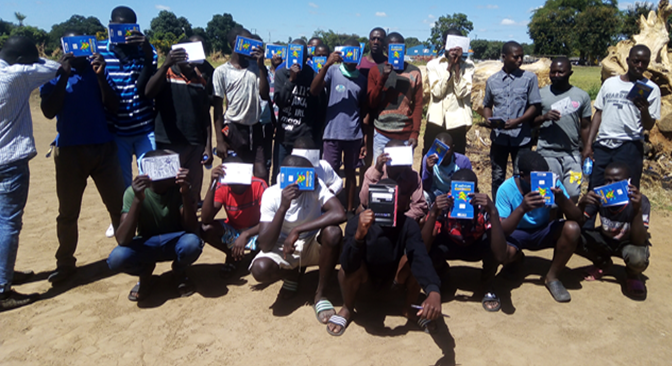
- Conducted training in COVID-19 preparedness at Kachere and Bzyanzi prisons targeting 30 prison officers and 30 prisoners
- Distributed COVID-19 prevention supplies to Bzyanzi and Kachere prisons
- Organised training of officers under the COVID-19 Response for cascading to inmates and broader prison community
- Initiated face mask production training and subsequent production of face mask
- Bought raw materials for production of sanitizers to benefit inmates and the broader prison community
